Progressive Animal Wellbeing Support

The PAWS Program

Overview

Calm, confidence andconnection.

The Progressive Youth Care PAWS Program — Pathways with Animal Wellbeing Support — is our overarching therapeutic wellbeing package designed to support both young people and staff through purposeful, structured interactions with trained therapy dogs.

PAWS brings together two specialised programs: PAWS: Community Connect, supporting children and young people experiencing anxiety, disengagement, or barriers to attending appointments, schooling, and community activities; and PAWS: Canine Calm, enhancing staff wellbeing, reducing stress, and helping prevent burnout in emotionally demanding work environments.

Each program is grounded in trauma-informed, youth-centred, and welfare-focused practice, ensuring that both humans and animals experience safety, respect, and positive connection.

Meet the pack

The PAWS therapy dog team.

A group of gentle, playful, and intuitive companions who help create calm, confidence, and connection wherever they go.

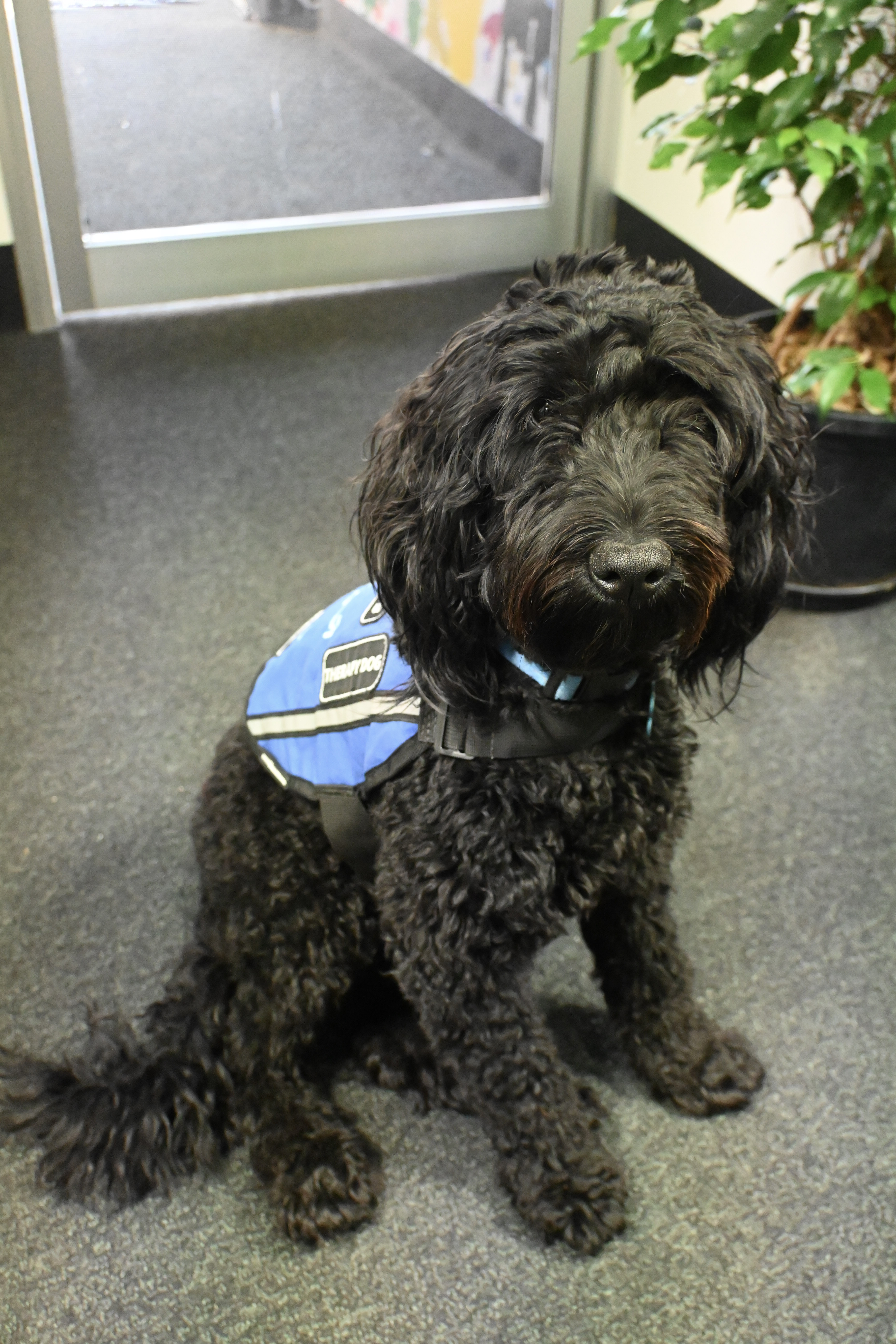
MAC, a Labradoodle with the PAWS therapy dog team

Labradoodle

MAC

MAC is one half of the Labradoodle brothers. He's big, black, goofy, and full of personality. MAC has a knack for making people smile just by walking into a room, and his gentle, clumsy charm helps break down anxiety and create instant comfort.

PYCC, a Labradoodle with the PAWS therapy dog team

Labradoodle

PYCC

MAC's brother, PYCC, is all about warmth and closeness. He loves cuddles and is happiest when curled up next to someone who needs a moment of calm. His soft presence is grounding for young people who feel nervous or overwhelmed.

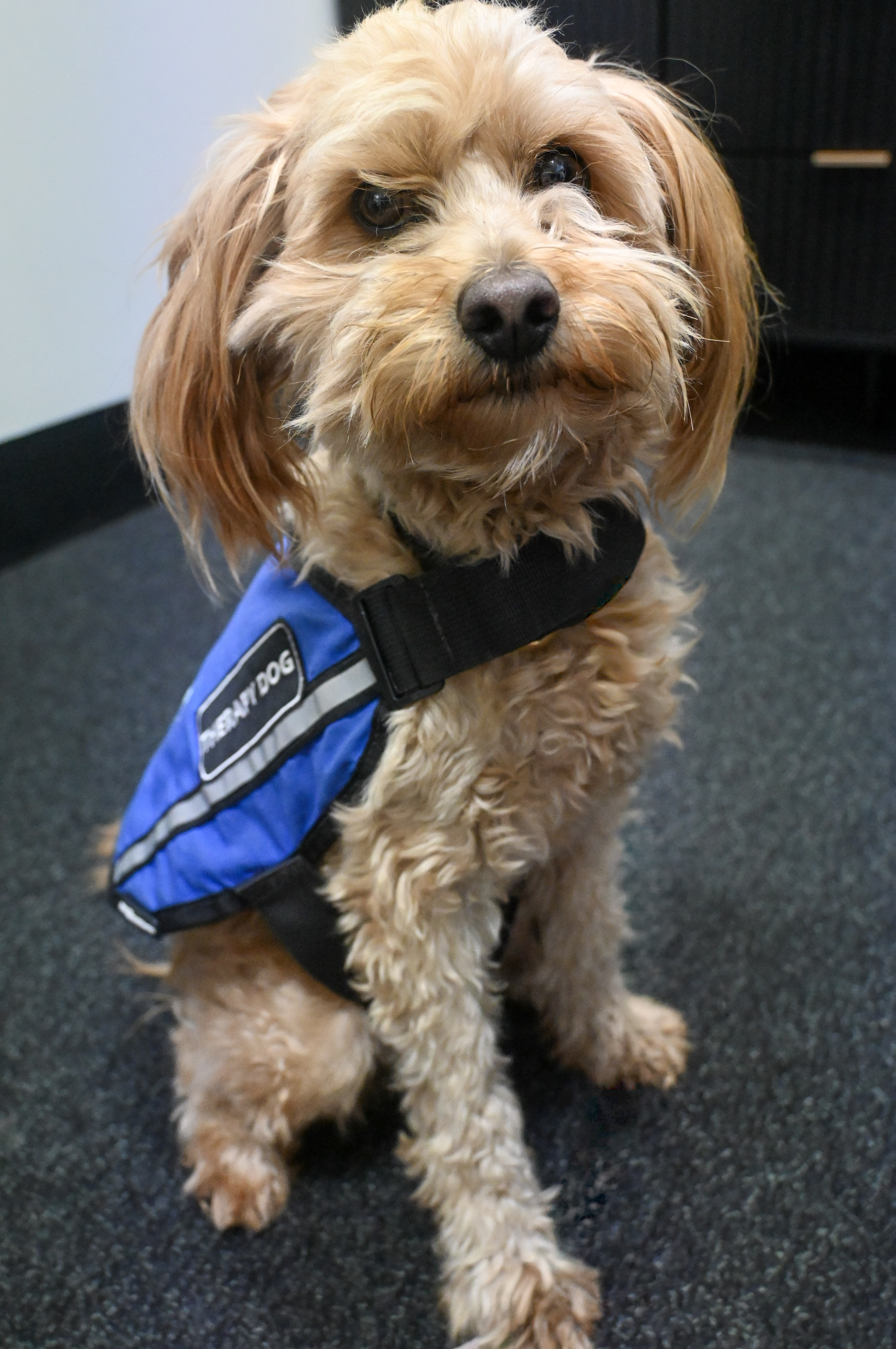
Barney, a Moodle with the PAWS therapy dog team

Moodle

Barney

Barney is a burst of happy energy wrapped in a tiny, fluffy package. He's enthusiastic, affectionate, and always ready for a snuggle. Barney's playful spirit makes him perfect for building confidence and engaging even the shyest young people.

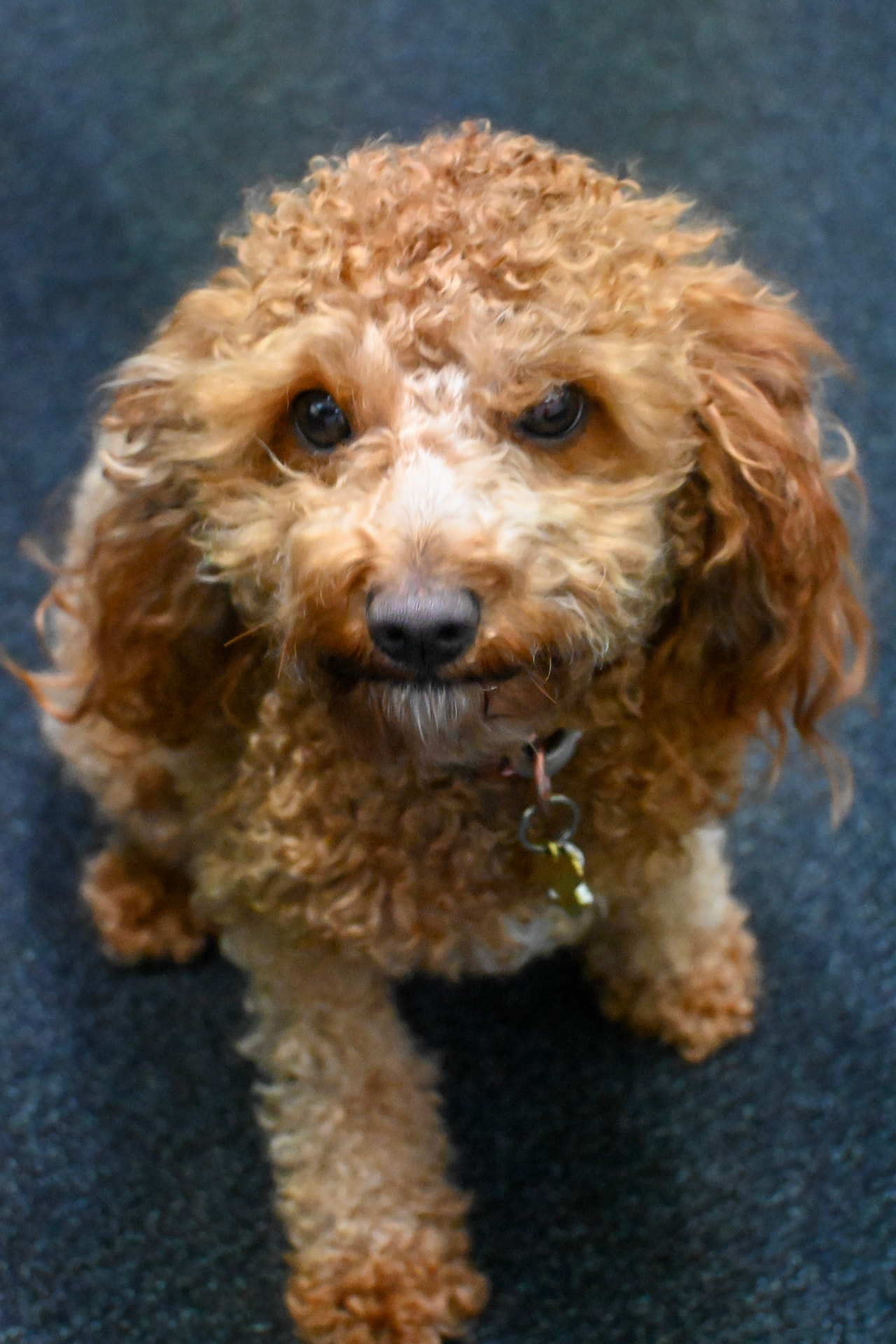
Shady, a Cavoodle with the PAWS therapy dog team

Cavoodle

Shady

Shady is the smallest member of the team — a red, curly Cavoodle with a gentle soul. She is calm, sweet-natured, and ideal for young people or staff who may be unsure about larger dogs. Shady brings comfort through soft, quiet presence.

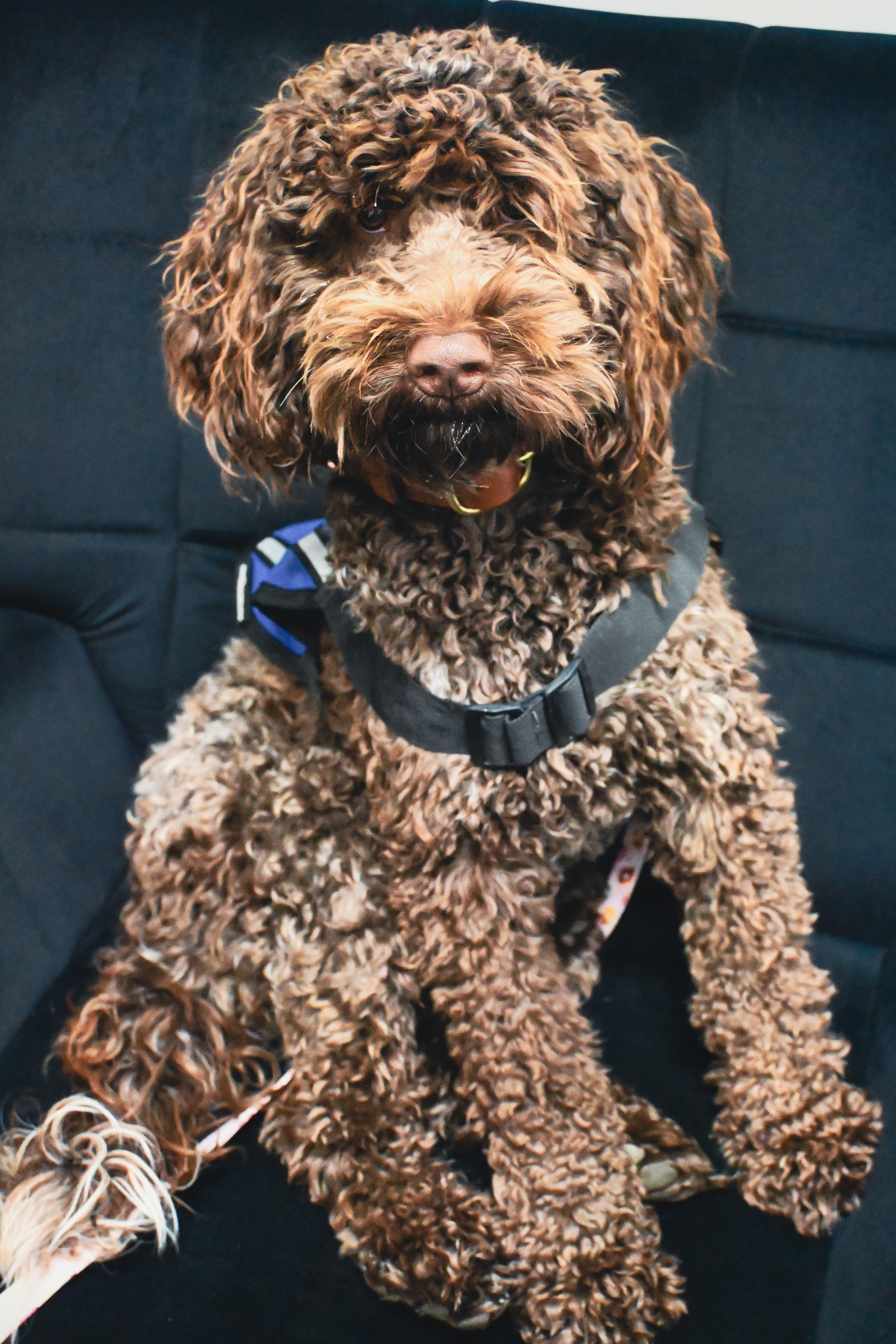
FYNN, a Therapy dog in training with the PAWS therapy dog team

Therapy dog in training

FYNN

FYNN is the newest member of the PAWS pack. Brown, playful, and curious, he's currently learning the ropes with enthusiasm. FYNN brings a sense of fun and possibility, and he'll soon join the team in supporting young people and staff through structured, supervised sessions.

One dog will not be the right fit for every young person or every staff member. With different sizes, temperaments, energies, and interaction styles, our therapy dog team ensures that every individual can be matched with the dog that feels safest, most soothing, and most supportive for them.

Program one

PAWS:Community Connect

A therapy-dog supported engagement program for young people with anxiety.

  • A gentle, low-pressure pathway into re-engagement.
  • Support in reducing anxiety in service-related environments.
  • Positive experiences that build confidence and coping skills.
  • Predictability and safety, enhanced by the calming presence of therapy dogs.

Community Connect was developed, led, and overseen by registered social workers, ensuring that all activities are grounded in evidence-informed, ethical, and trauma-aware practice. Their professional oversight guarantees that the use of therapy dogs is integrated safely and purposefully to support emotional regulation, engagement, and wellbeing.

The program runs over 12 weeks and is delivered in both 1:1 and small-group formats, depending on what best supports each young person's comfort and needs. Sessions take place in a range of community settings — libraries, GP offices, parks, community hubs, and other familiar environments — gradually building the young person's confidence in real-world spaces.

On completing the 12-week program, young people have the option to continue receiving support from the therapy dog team, who can accompany or meet them before counselling, GP visits, mental health reviews, or other appointments.

Who it's for

Children and young people aged 8–18 who experience anxiety that significantly impacts their ability to engage with everyday environments and essential services — including school refusal, difficulty attending appointments, social anxiety, risk of disengagement, and neurodivergent young people with sensory or emotional regulation needs.
12-week program breakdown

Weeks 1–2 · Introduction & safety

  • Meet the therapy dog team and staff
  • Learn dog safety, welfare, and consent signals
  • Build rapport and trust through calm, low-pressure activities
  • Identify anxiety triggers and barriers to engagement
  • Begin setting personalised goals

Weeks 3–4 · Regulation & confidence building

  • Practise grounding and calming techniques with a therapy dog
  • Short visits to low-stress community settings (park, quiet library)
  • Introduce gentle exposure planning in collaboration with the young person
  • Explore which therapy dog is the best fit

Weeks 5–6 · Supported community exposure

  • Begin entering service-based environments (clinic foyers, GP waiting rooms)
  • Dog-supported practice of short stays in public or semi-public settings
  • Build tolerance for sensory inputs (sounds, people, movement)
  • Continue skill-building for emotional regulation

Weeks 7–8 · Appointment preparation

  • Practice appointment-related skills (check-ins, waiting, asking questions)
  • Attend mock or brief real appointments with therapy dog support
  • Continue exposure in varied locations depending on personal goals
  • Gradually increase independence while still supported by the dog

Weeks 9–10 · Transition toward therapy engagement

  • Dog-supported attendance at actual therapy, health, or school-based appointments
  • Begin reducing reliance on the dog for short periods, only if the young person is ready
  • Strengthen coping strategies, routines, and confidence in community settings
  • Small group option: social connection activities with therapy dogs

Weeks 11–12 · Consolidation & ongoing support

  • Review progress toward goals and celebrate achievements
  • Identify the therapy dog the young person feels most connected with
  • Develop a personalised transition plan into regular therapy or services
  • Ongoing option: the therapy dog continues attending future appointments
  • Final session focused on confidence-building, transition, and closure
Program two

PAWS:Canine Calm

Canine Calm improves staff wellbeing and psychological safety by incorporating trained therapy dogs into workplace routines. The program aims to reduce stress, strengthen workplace morale, and help prevent burnout — particularly for staff working in high-pressure, emotionally demanding environments.

Community services work often involves emotional load, complex caseloads, and exposure to trauma. Therapy dog programs are shown to reduce stress, improve mood, increase social connection, and promote emotional resilience.

Emotional wellbeing

  • Reduced stress and tension
  • Improved mood
  • Increased feelings of calm and comfort

Workplace morale

  • Improved team cohesion
  • Increased sense of belonging
  • Positive workplace culture

Burnout prevention

  • Reduced emotional fatigue
  • Better emotional regulation
  • Regular opportunities for grounding and recovery

Calm Corner sessions

A dedicated onsite space with comfortable seating, low lighting, and scheduled therapy dog times — a predictable sanctuary for grounding, reducing overwhelm, and supporting emotional resets.

Buddy Dog system

Staff are matched with a regular therapy dog buddy for weekly or fortnightly check-ins, consistent emotional support, and a reliable calming presence during high-stress periods.

Therapy dogs at meetings

With staff consent, dogs attend team meetings, reflective practice, professional development days, and debriefs — reducing tension and fostering a calmer, more connected team culture.

Drop-in wellbeing sessions

Weekly or fortnightly drop-ins where staff can interact with the dog, talk casually, or take a short walk — supporting regulation and a break from high-demand tasks.

“Calm Break” workplace visits

Short, spontaneous visits to work areas during peak stress moments — after difficult client sessions, busy shifts, or major incidents.

Debrief & emotional reset support

Low-pressure debrief support with the therapy dog present after emotionally intensive situations. Not clinical debriefing — a grounding and recovery opportunity.

Seasonal and event-based sessions

Sessions aligned with RUOK Day, Mental Health Week, end-of-term wellbeing celebrations, and “Paws & Pause” sessions during peak workload seasons.

Safety & welfare

Safety for peopleand for our dogs.

  • All therapy dogs are trained and temperament-tested
  • The handler maintains oversight at all times
  • Participation is voluntary
  • Sessions are adapted to avoid overstimulation
  • Clear boundaries for interactions — no feeding, respectful handling
  • Dog welfare needs come first: rest breaks, quiet spaces, and choice