Social Work Services
Case management,grounded in social work.
Every young person in our care has a social worker at the centre of their support — acting as case manager, coordinating the people and services around them.
Their practice is built on social work values and a wholistic view of care: one that looks beyond the presenting need to the whole person, their family, and their community.
Coordination, not administration
Each young person is assigned a social worker who acts as their case manager — the consistent point of coordination across their care team, their supports, and the services around them.
This means keeping plans current, tracking reviews, and making sure information moves between carers, clinicians, and departments rather than sitting in silos. Done well, case management is felt by the young person as consistency, not paperwork.
The whole young person, not just the file
A young person's needs rarely sit in one category, so their care is never planned around a single service or a single presenting issue.
Our social workers consider family, relationships, education, culture, and community alongside immediate support needs — because sustainable outcomes come from understanding a young person in context, not in isolation.
Understanding before intervening
Every young person begins with an initial assessment that identifies strengths as well as needs. It looks at the bigger picture of support around the young person, including family support, to build an accurate starting point for care rather than working from a checklist.
From there, our social workers develop therapeutic support plans — individualised, trauma-informed, and reviewed regularly as a young person's circumstances change.
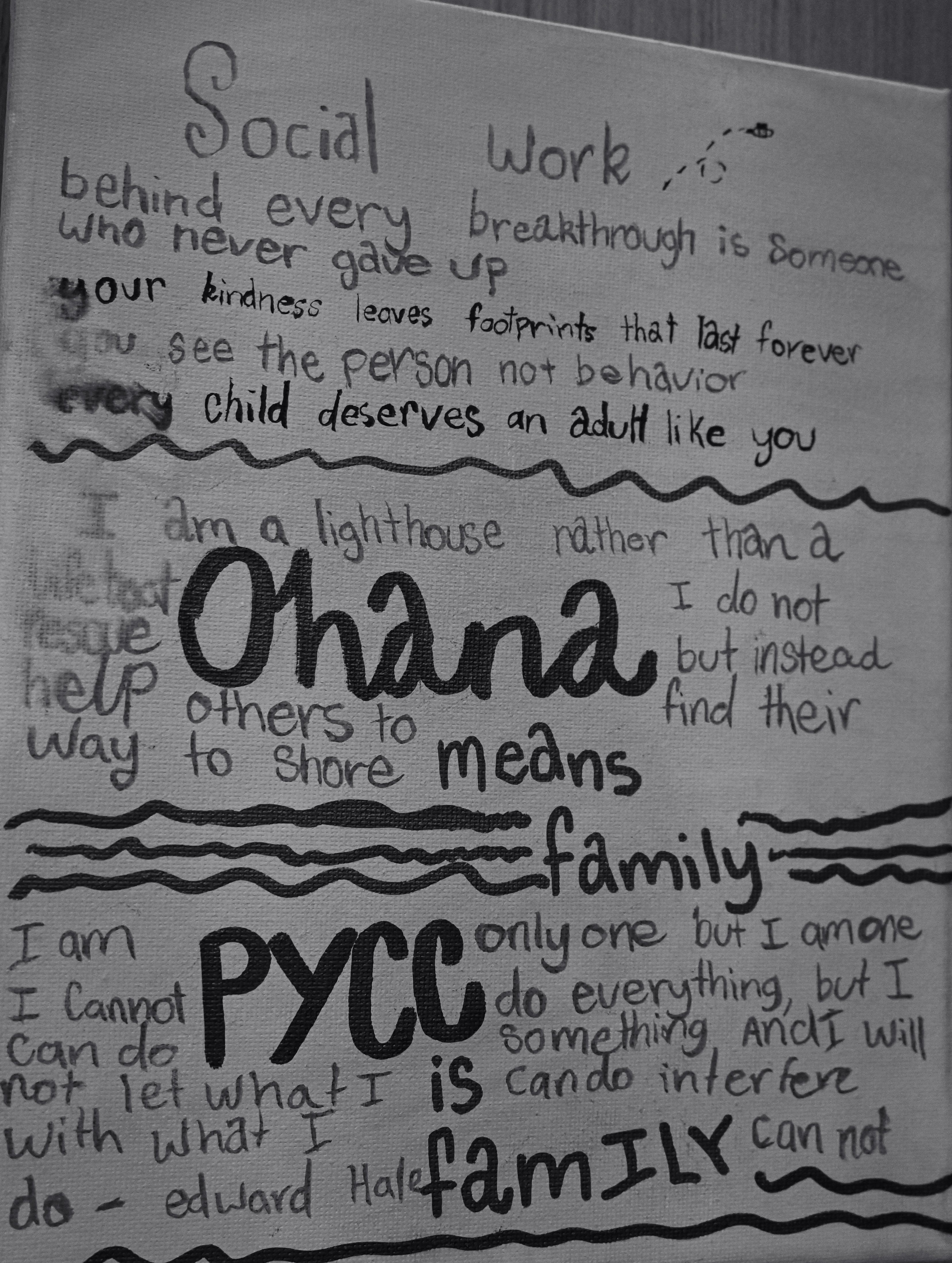
Speaking up, and making room to be heard
Advocacy is central to our social work practice. Our team represents a young person's interests across every part of their care — in case reviews, statutory processes, and conversations with other services — so decisions are made with the young person in mind, not made around them.
Just as importantly, our social workers make space for a young person's own voice in those decisions. Their views, wishes, and feelings are actively sought and given genuine weight, upholding their rights under the UN Convention on the Rights of the Child and Queensland's child protection framework.

Guided by values,not just process.
Our team practises with dignity, respect, and genuine regard for every young person's right to be heard and involved in decisions about their own life.
Trauma-informed
Practice that recognises the impact of trauma on behaviour, trust, and development, and responds accordingly.
Dignity & respect
Every young person is treated as capable and worthy of respect, not defined by their circumstances.
Self-determination
Young people are involved in decisions about their own care wherever possible, not simply informed of them.
Connection to community
Family, culture, and community are treated as part of a young person's support network, not separate from it.
Contact our social work team.
For referrals, enquiries, or to speak with a member of our social work team, get in touch directly.